


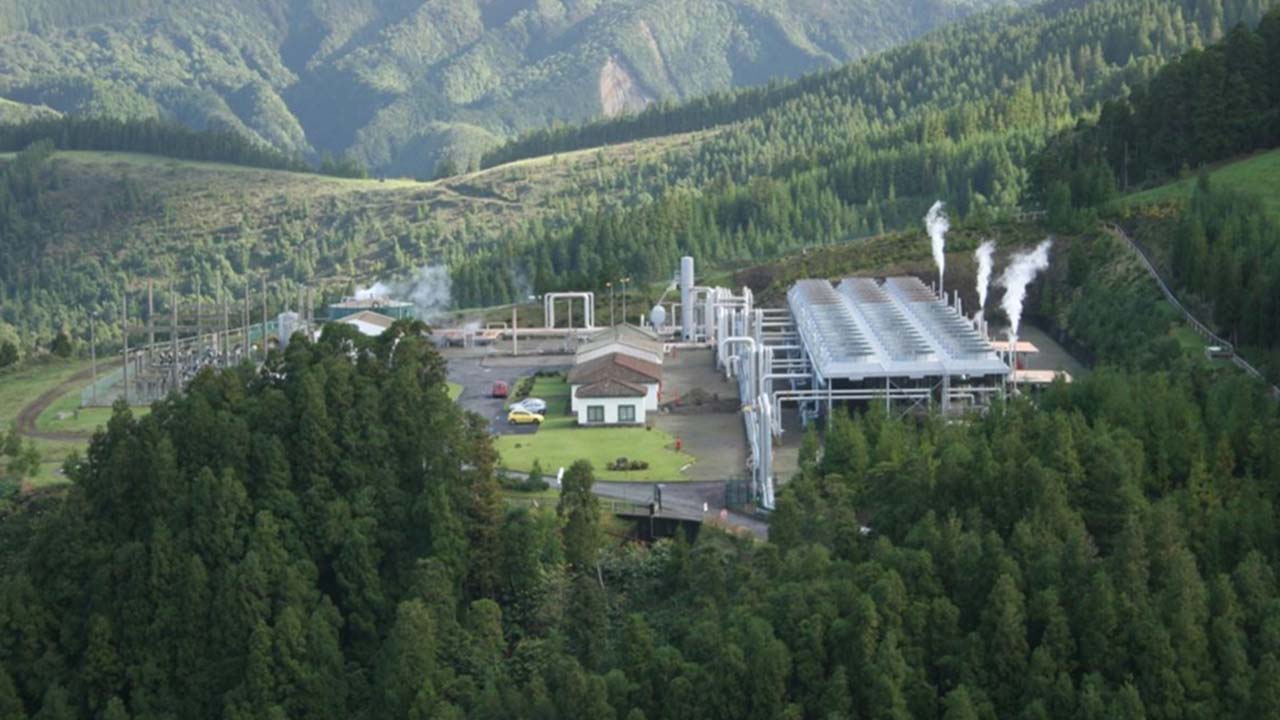


Portugal – São Miguel (Açores)
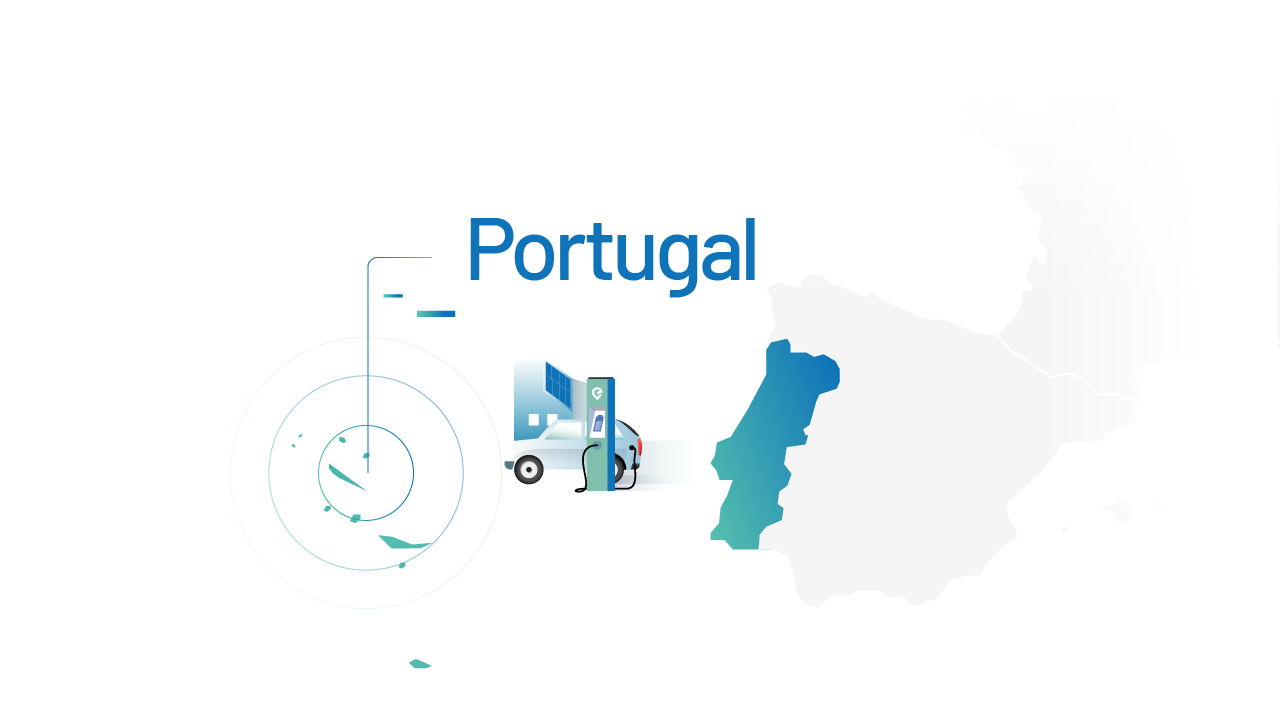
Location: São Miguel, Azores, Portugal
São Miguel is the largest Island of the Azores archipelago, which is an autonomous region of the Portuguese Republic located around 1500 km from Lisboa. São Miguel counts with 133 390 inhabitants (2021 census) and is 744.6km2 and 65 km long, ranging from 8 to 16 km in width. The main sectors of activity are agriculture (livestock farming and dairy industry), tourism, and fishing.
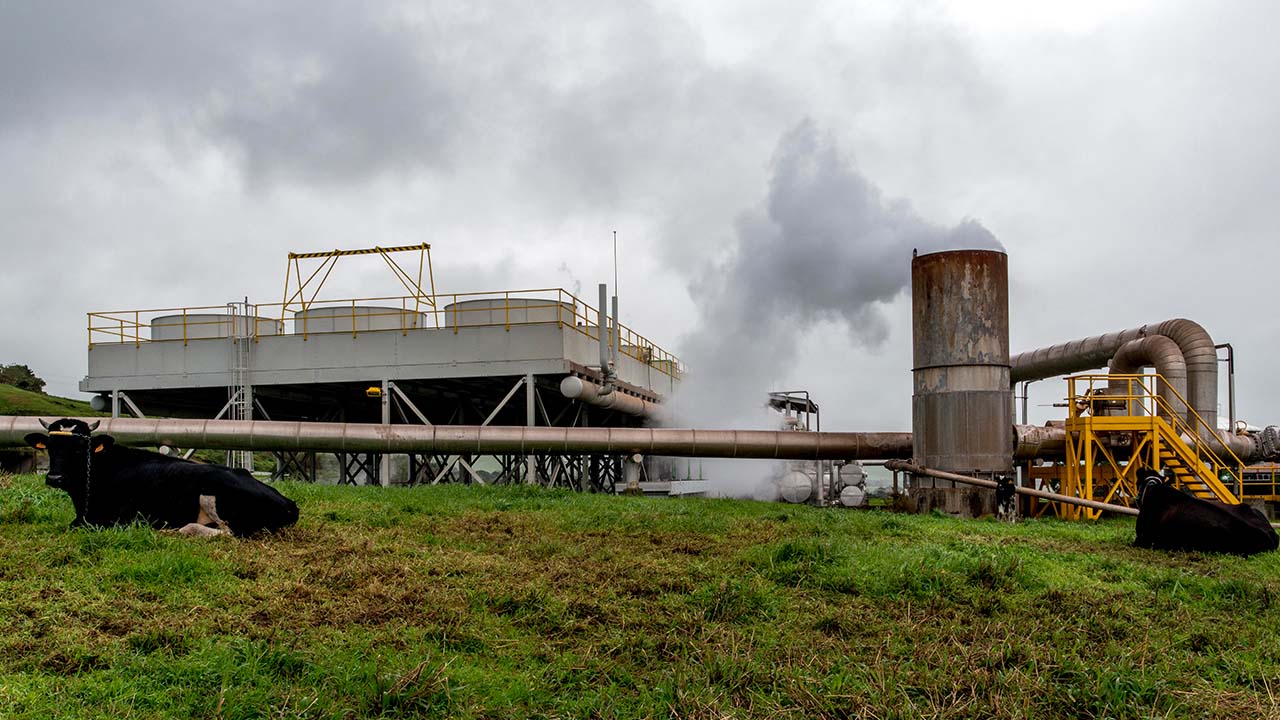
In 2021, the total electricity injection in São Miguel was 423 GWh, of which 40.2% (49.4% in 2020) are renewable/endogenous origin, being Geothermal energy the primary renewable source with 30% of the total production. The island is not electrically interconnected with another system.
The demonstrator aims to test V2X strategies that facilitate electric vehicle charging in homes, buildings, and companies.
5 Use- Cases (UC) will be tested in the Portuguese Demonstrator:
- Cost-Effective V2X station
A prototype of the V2X station is being tested. The tests include the communications setup with EVs and O-V2X-MP and power supply, and the evaluation of business models.
- Optimized energy management of available resources in Houses
This UC is evaluating energy management strategies in individual houses. The demonstrator is implemented in 6 houses, and four of them have a photovoltaic (PV) system. This UC is evaluating the performance of algorithms developed based on the dynamic evaluation of the devices´ priorities, test opportunity cost functions and assess the user’s concerns and perceptions of the operation of the developed control strategies.
- Optimized energy management of available resources in Buildings
This UC is testing the energy management of the resources integrated into a building, aiming to reduce the energy bill by coordinating the available resources (EVs and PVs) with the building consumption.
- V2X management in Companies
This UC is evaluating the methodologies developed to allow a better company fleet management. V2X stations are being used for a coordinated smart charging and V2X of the company’s EV fleet together with EVs from both the employers and visitors parked at the company.
- Activation of V2X services by Distribution System Operator (DSOs)
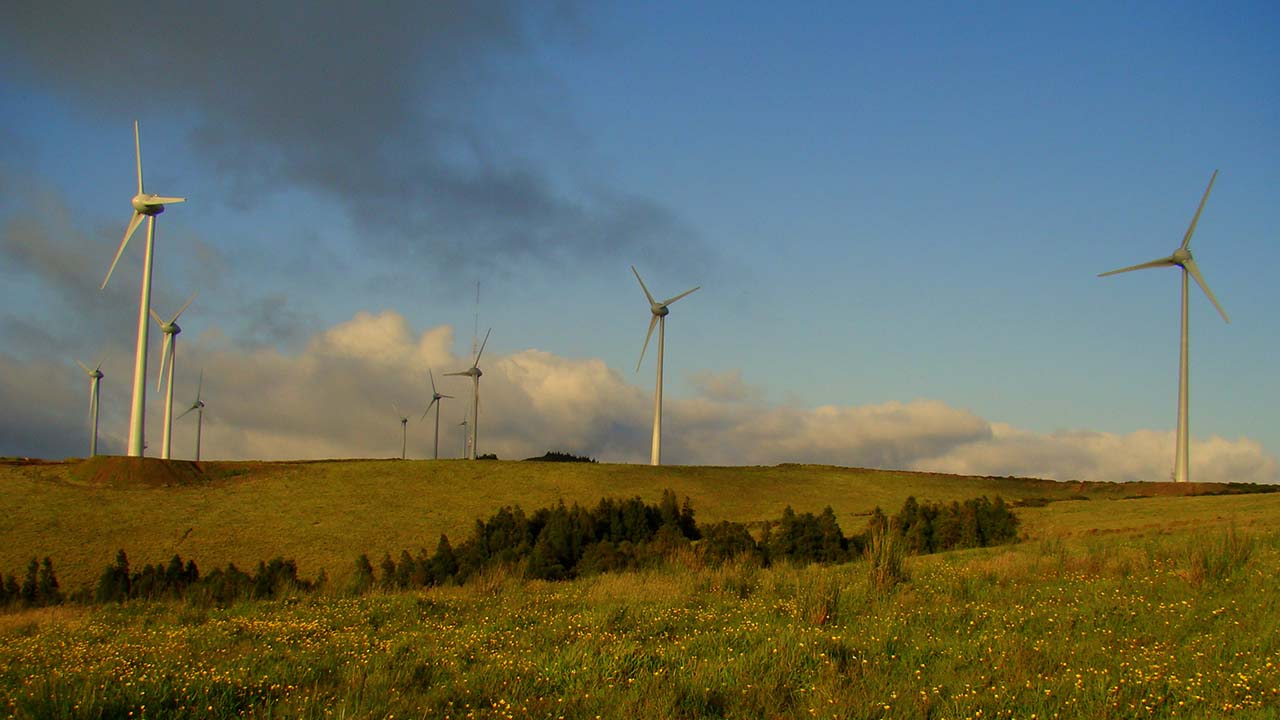
This UC is testing voltage regulation and mitigation of wind curtailment services.
Description of the 3 pilot sites:
- Households – 1 single charging point EV Charging Station (CS) was placed at each of 6 households in São Miguel Island, 4 of which equipped with solar PV generation. In this regard, the developed control algorithms for the optimized energy management in the houses (D2.1) are being tested in a real-life environment. These 6 households’ sites are distributed across the island and were selected through a technical and social engagement process.
- Office building – 1 dual charging point EV CS was placed at the office building of LREC in São Miguel Island. In this regard, the developed control algorithms for the energy management of the building (D2.2) are being tested in a real-life environment.
- Company campus – 2 single charging point bidirectional EV CS, 7 single charging point unidirectional EV CSs and 3 Schuko plugs were placed at the headquarters of EDA in São Miguel Island. In this regard, the developed V2B, V2V and V2G control algorithms (D2.4) are being tested in a real-life environment.
Implementation and Testing at Pilot Sites:
Households I Use case: Optimized energy management of available resources in residential settings.
Implemented:
- Installation of single EV charging stations (Wallbox Pulsar Plus).
- Controller Reduxi for local energy management.
- Smart meters and environmental sensors.
Tested:
- Control algorithms developed in Task 2.1.
- Integration with solar PV systems (where available).
- Demand response strategies (Task 4.5).
- User-driven optimization preferences: cost, self-consumption, grid service
LREC’s Office Building I Use case: Optimized energy management of available resources in public buildings.
Implemented:
- Dual-point EV charging station (pillar-mounted).
- Controller Reduxi and smart metering infrastructure.
- Integration with existing solar PV system (15 kWp).
- Lease of 1 EV for a year to be driven by a LREC’s office employee
Tested:
- Control algorithms from Task 2.2.
- Charging coordination for employees and visitors.
- Evaluation of authentication methods (open access vs. cardholder).
- Grid services: wind curtailment mitigation and congestion management
EDA’s Campus I Use case: EV fleet management in SMEs with V2B, V2V and V2G capabilities.
Implemented:
- 12 EV charging stations – 2 unidirectional Wallbox Copper SB, 1 bidirectional Wallbox Quasar, 3 Schuko plugs, 2 unidirectional Circutor, 1 bidirectional InterControl Latinki and 3 unidirectional ABB.
- Custom edge controller prototype developed by Smart Energy Lab.
- Smart meters and high-accuracy frequency meters.
- Dedicated electrical switchboard and communication infrastructure.
Tested:
- Fleet-oriented V2B/V2G control algorithms (Task 2.4).
- Power quality monitoring and grid service participation.
- Integration with a diverse EV fleet (32 vehicles of various models).
Demonstrator expected outcomes:
A central goal of the demonstrator is to empower users to actively participate in energy management, transforming EVs from passive consumers into active energy assets. This includes testing how EVs can optimize charging behavior, contribute to local energy self-consumption, and participate in energy services through dedicated tools and apps (developed within the project).
A key focus is the evaluation of the ability of EV chargers to provide grid services. Specifically, the demonstrator is testing the activation of wind curtailment mitigation and congestion management services, analyzing how EVs can support grid stability and flexibility when plugged in.
The success of the demonstrator will be measured through a comprehensive set of Key Performance Indicators (KPIs), including:
- Energy cost savings, comparing smart and bidirectional charging against uncoordinated charging scenarios.
- Reduction in CO₂ emissions per unit of energy charged, driven by increased use of renewable energy sources.
- System uptime, reflecting the reliability and robustness of the control and communication infrastructure.
- Voltage level violations and amplitude deviations, monitored to ensure compliance with grid quality standards.
- User satisfaction, capturing feedback from EV owners, building and fleet managers regarding the charging experience and service participation.
- Public awareness assessing the impact of the demonstrator on local understanding and acceptance of smart and bidirectional charging technologies.
Overall, the Portuguese demonstrator will contribute to understanding how EVs can be integrated into energy systems not only as consumers but also as flexible, responsive assets that support decarbonization and grid resilience.
Related Projects

Slovenia – Krško and Elektro Celje
In Slovenia, we will test the impact of V2X on the electricity network, the energy market and system services.
Greece – Attica, Mesogia
In Greece, we will test a more intuitive platform for managing charging stations and investigate the impact of electric vehicles on the grid.